



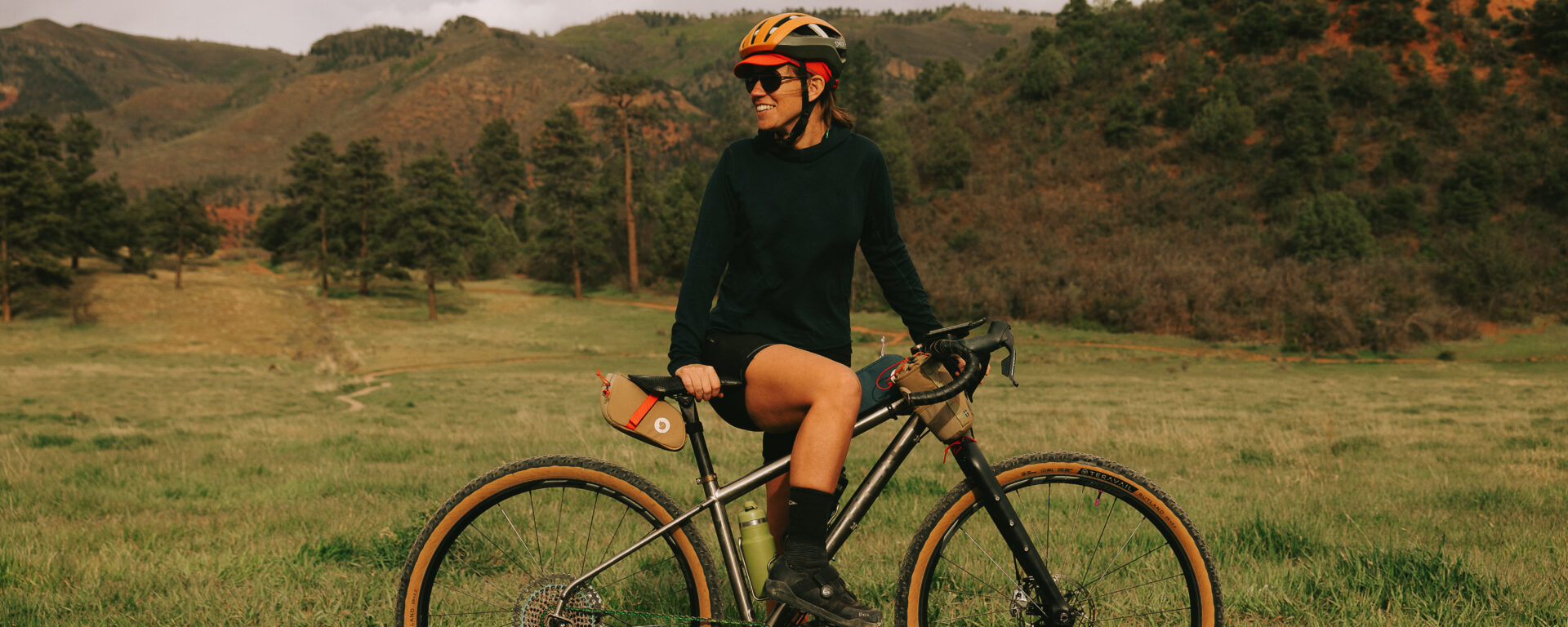
Words and photos by Sarah Swallow (@sarahjswallow)
Additional photos by Ri Ganey (@ri_ganey)
When chronic injury took away the bicycle, Otso Cycle’s ambassador, Sarah Swallow, was forced to confront a difficult question: Who is she beyond what her body can do? This is a story about grief, identity, recovery, and the unexpected ways an injury can expand our lives rather than simply limit them.
Seven months ago, I was vacuuming the inside of my pop-up camper in preparation for an upcoming trip to Baja California when a paralyzing spasm in my lower back sent me crashing to the ground. Something bad just happened.
With my partner out of town, I was alone on the floor of my camper, and I could not move.
I threw my back out, I told myself. I’ve done this before. I just needed to crawl inside, lie on my back with ice, and elevate my legs to relieve the pain. It would get better in a couple of days. I’d be back to myself in two weeks.
Little did I know then, the extent of the injury that an MRI in January would diagnose with chronic disc degeneration, multiple disc bulges, and annular tears in L3-L4, L4-L5, and L5-S1 with sciatic and pudendal nerve involvement.
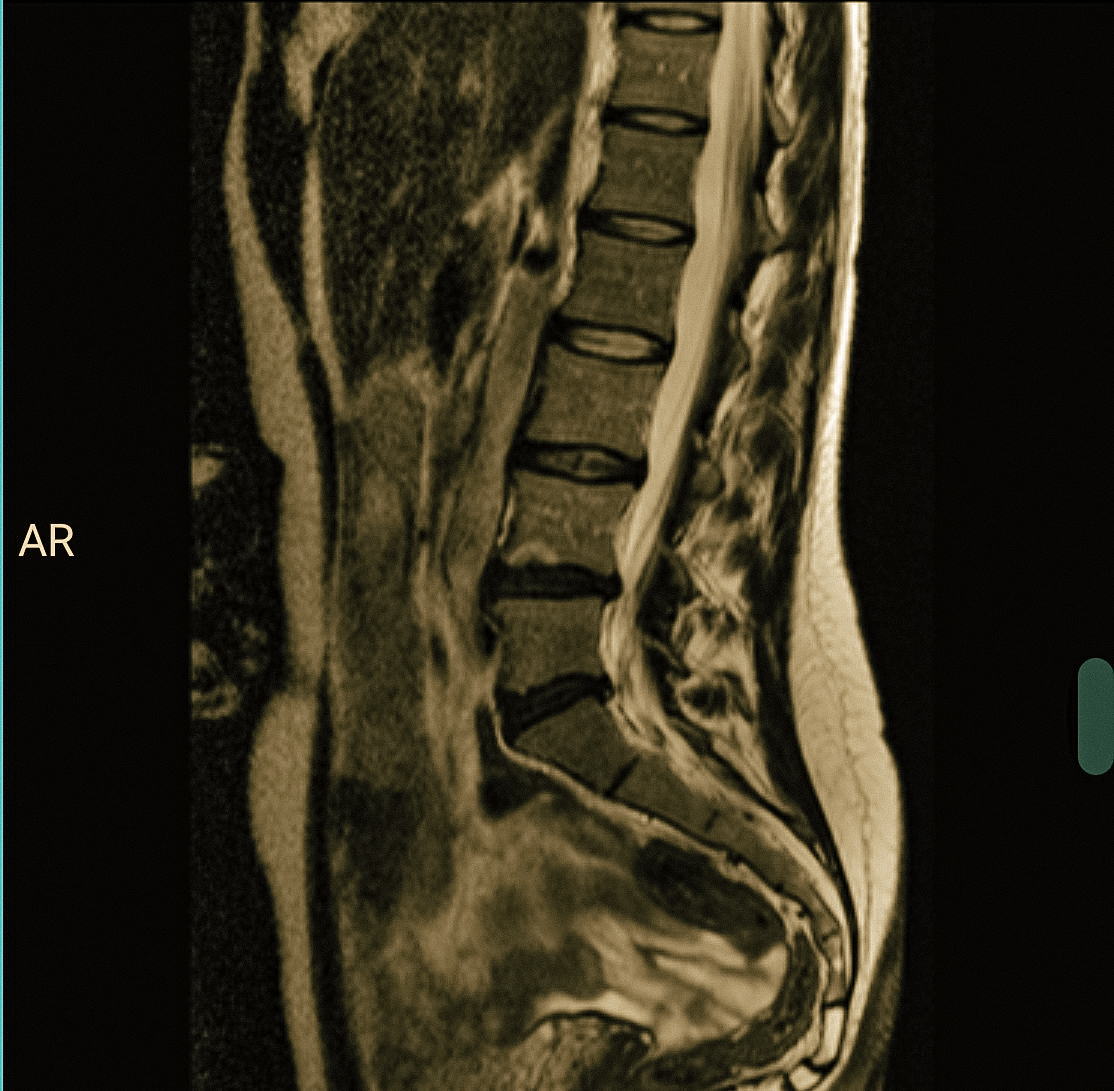
Now, you may ask: How the heck can vacuuming cause all that?
Well, it was really the straw that broke the camel’s back. But if we rewind the clock, the picture becomes more complicated. Earlier that day, there was a strength-training class, pushing a heavy, stiff-wheeled cart through Costco, and lifting and bending over bulky gear bins in the garage. Rewind further, and I had just finished a 2,000-mile self-supported solo ride across the western United States on dirt roads. Go back further still, and there are tens of thousands of rugged, chunky miles accumulated on a 38-year-old body, over an eleven-year professional adventure cycling career. Viewed in that context, the injury feels less like a singular moment and more like the culmination of years spent pushing my body through a demanding lifestyle.
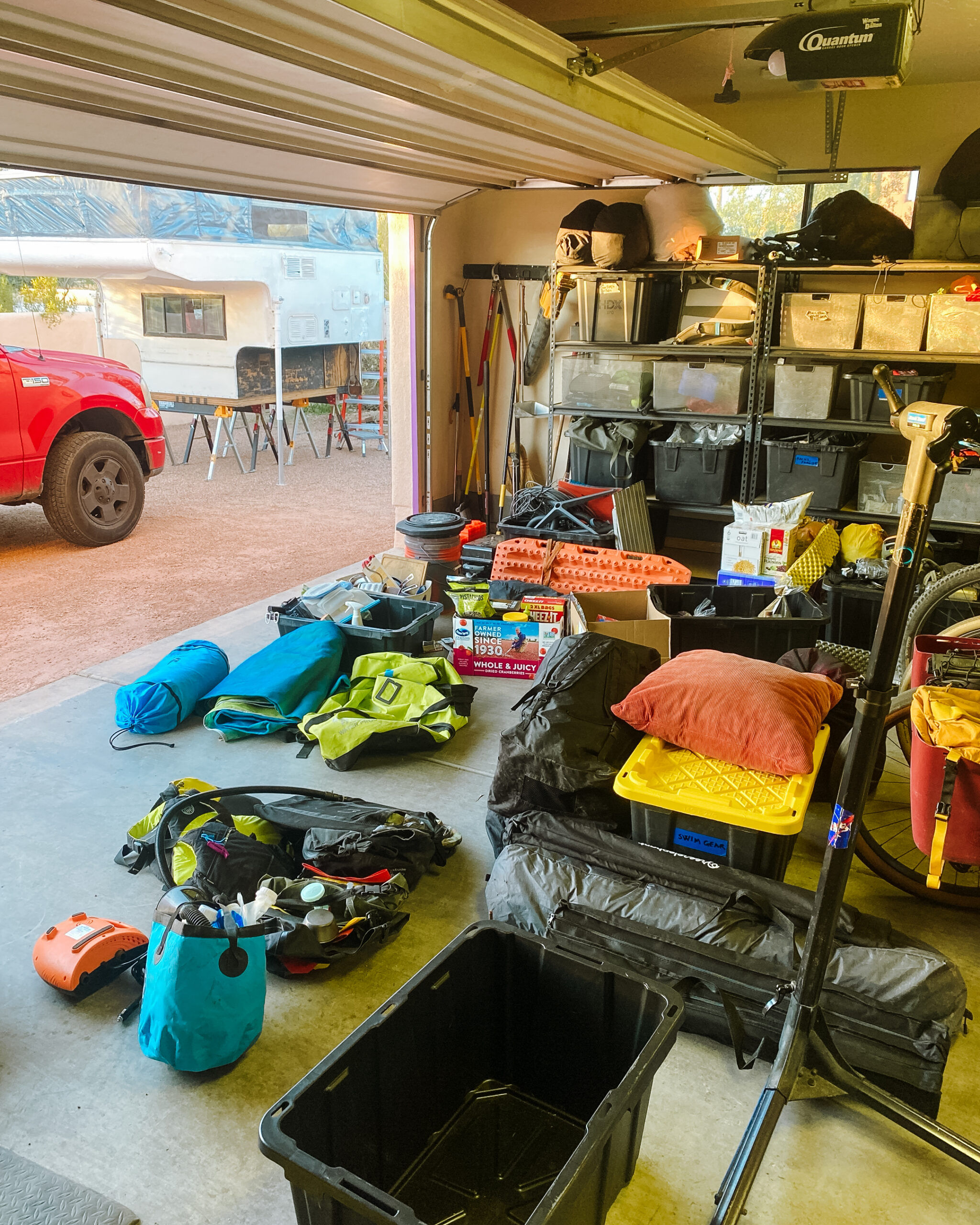
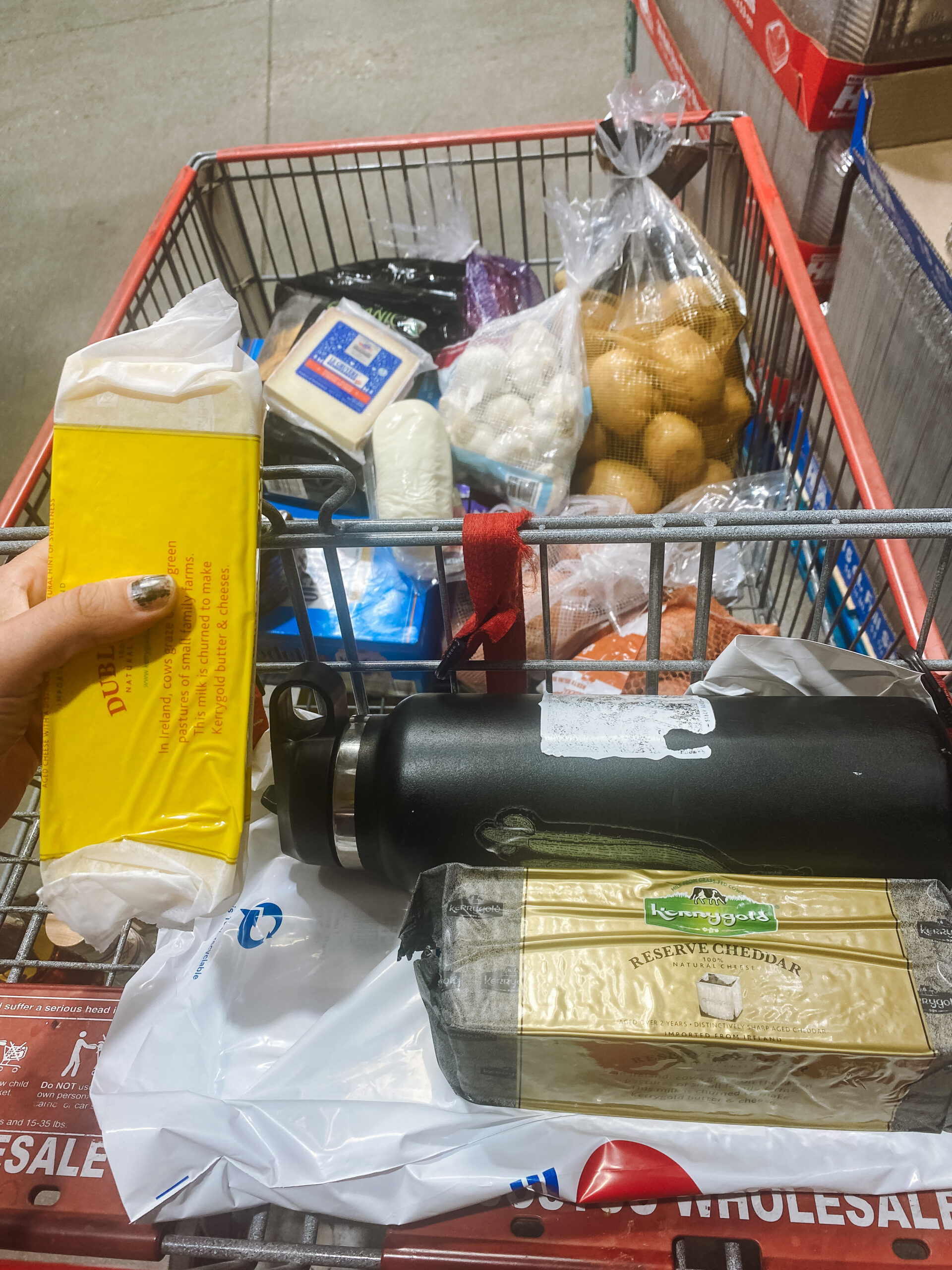
The vacuum wasn’t the cause of my injury (although I used it as an excuse to not vacuum for a long time). It was simply the moment my body finally stopped compensating for all the wear and imbalances.
I’d been fortunate enough to avoid any major injuries until this point, and for the first month or two, I genuinely believed I would get better soon. But the pain remained. Any time I sat too long, stood up too quickly, twisted, lifted something slightly too heavy, or even attempted to ride my bike for a short period, I would experience sharp, shooting pain that lingered for weeks on end.
What I didn’t expect was how emotionally difficult it would be to lose access to the thing I love most. Cycling wasn’t just a form of exercise to me; it was joy, freedom, community, stress relief, mental health support, adventure, inspiration, connection to nature, and my career. The bike had become the lens through which I experienced so much of my life.
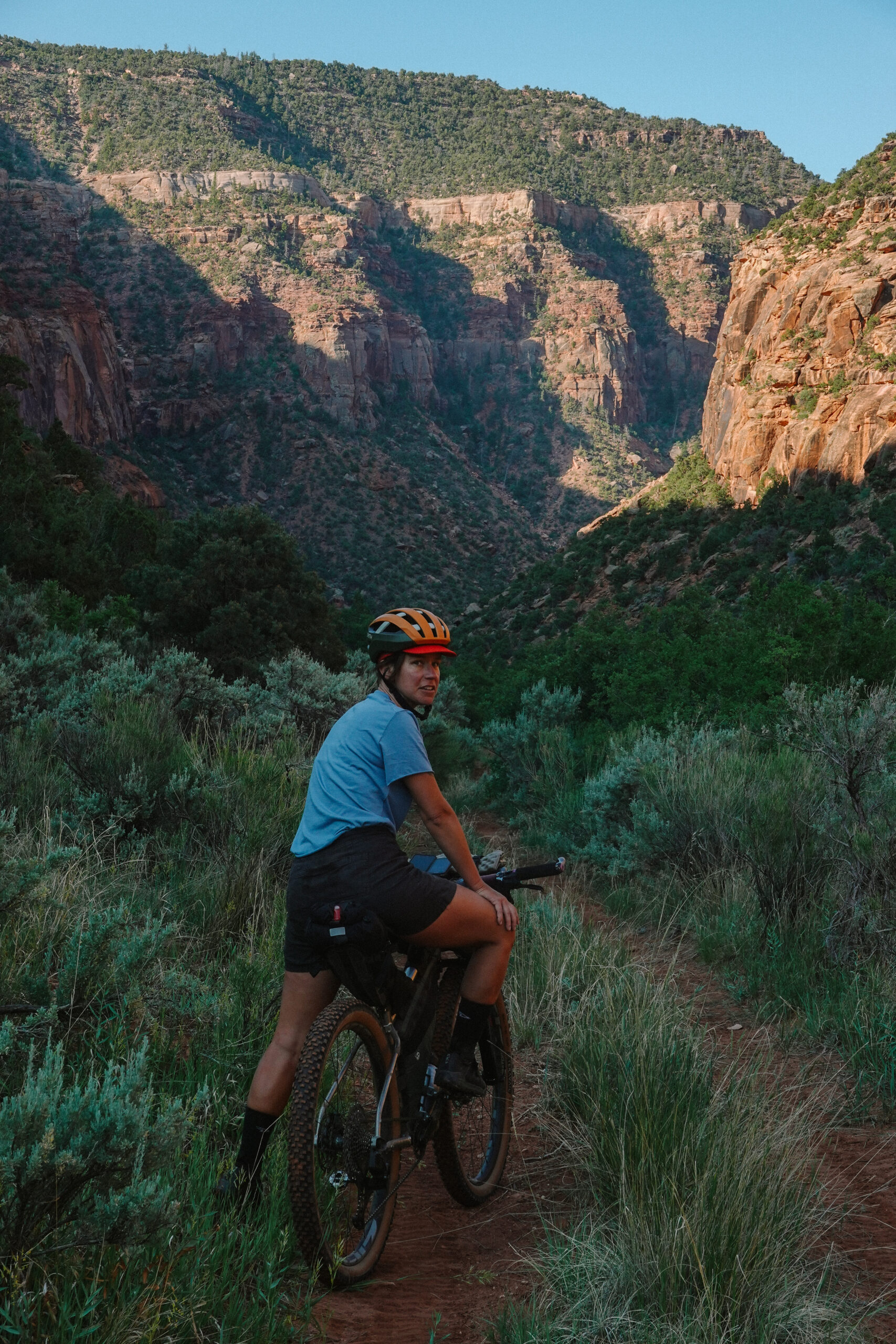
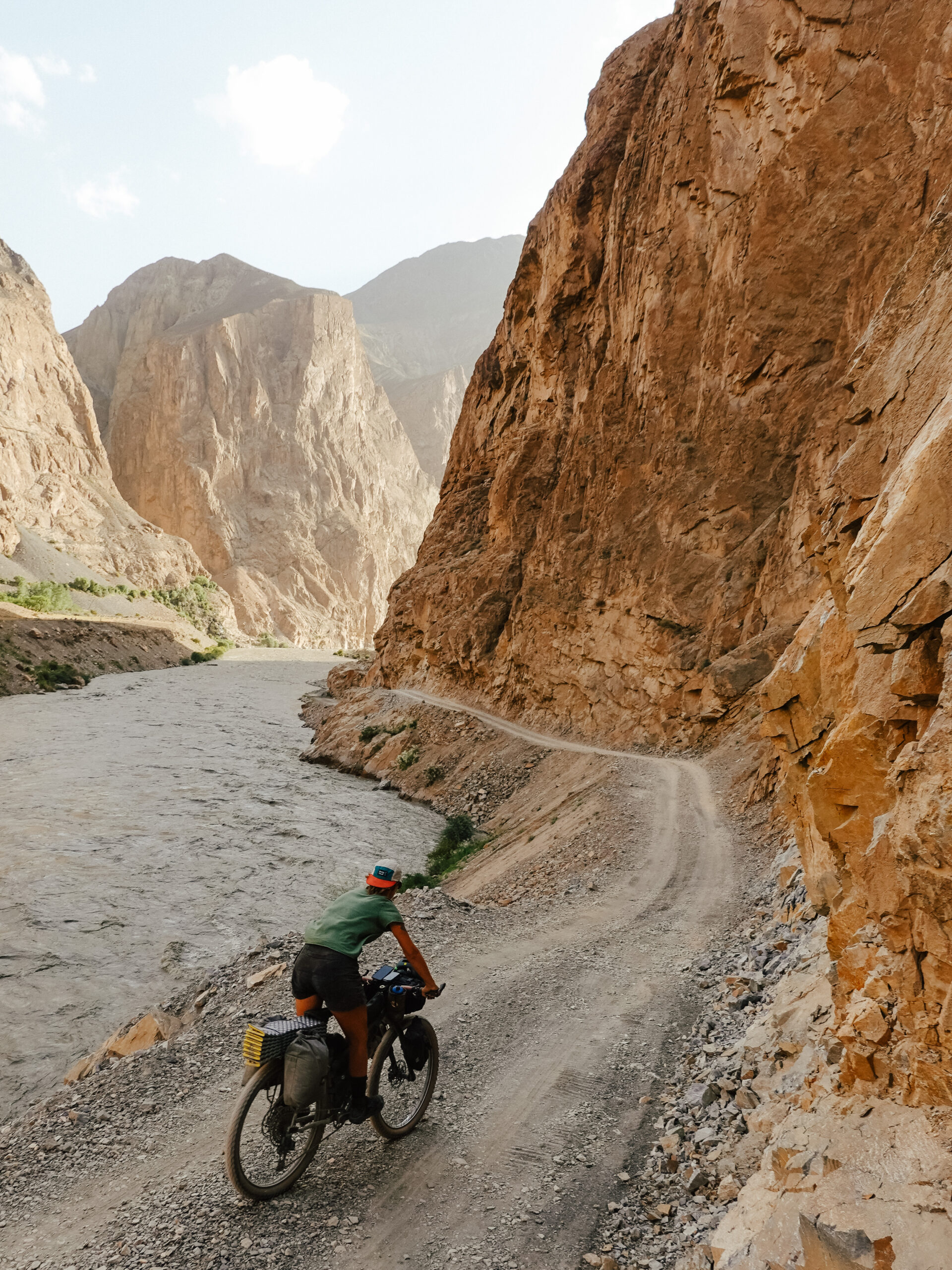
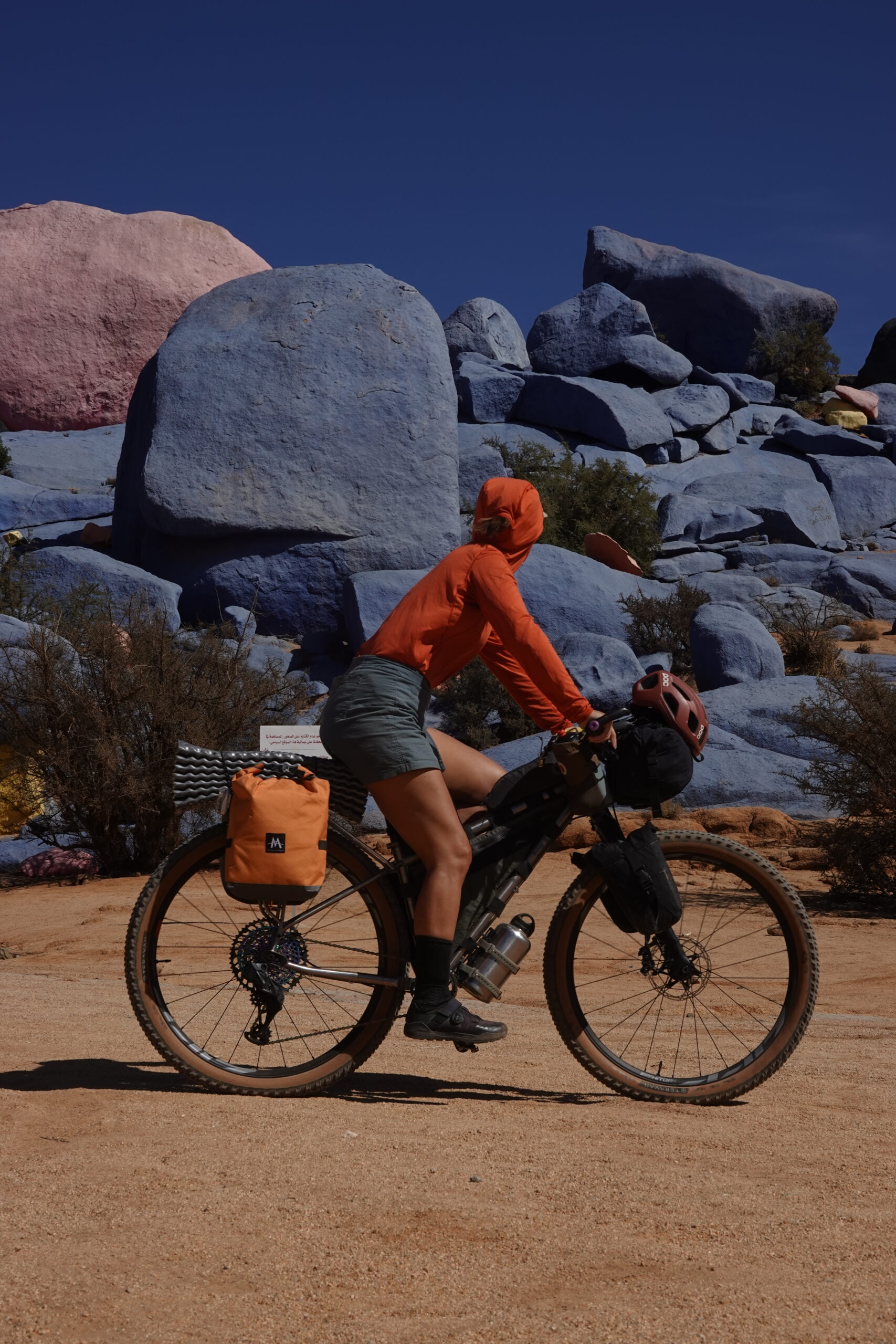
Losing the ability to ride feels, at times, more painful than the physical injury itself. The degeneration in my discs is measurable, but the grief of losing movement, identity, routine, and connection is harder to diagnose, far more difficult to explain, and oftentimes, invisible.
And grief is exactly what this process has felt like, complete with all of its stages: denial, anger, bargaining, depression, and acceptance. Seven months into this injury, and I have moved through these stages multiple times.
Part of what makes chronic injury so psychologically difficult is the absence of certainty. There is no timeline, no protocol, no reasonably predictable path forward, and no clear moment when life returns to normal. Recovery from a chronic injury exists in phases of progress and regression. Learning to tolerate that ambiguity and interpret what my body is telling me has been its own challenge.
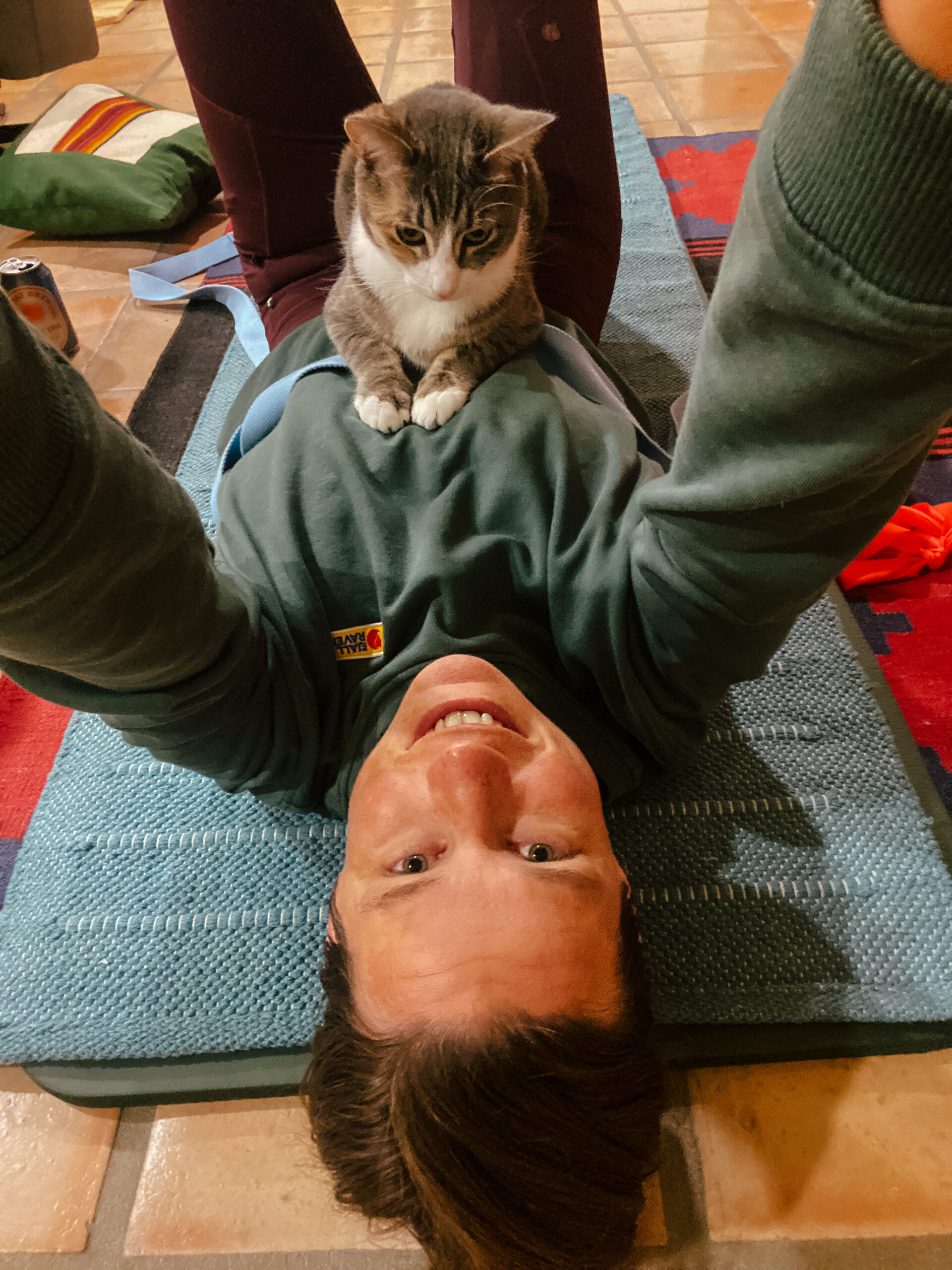
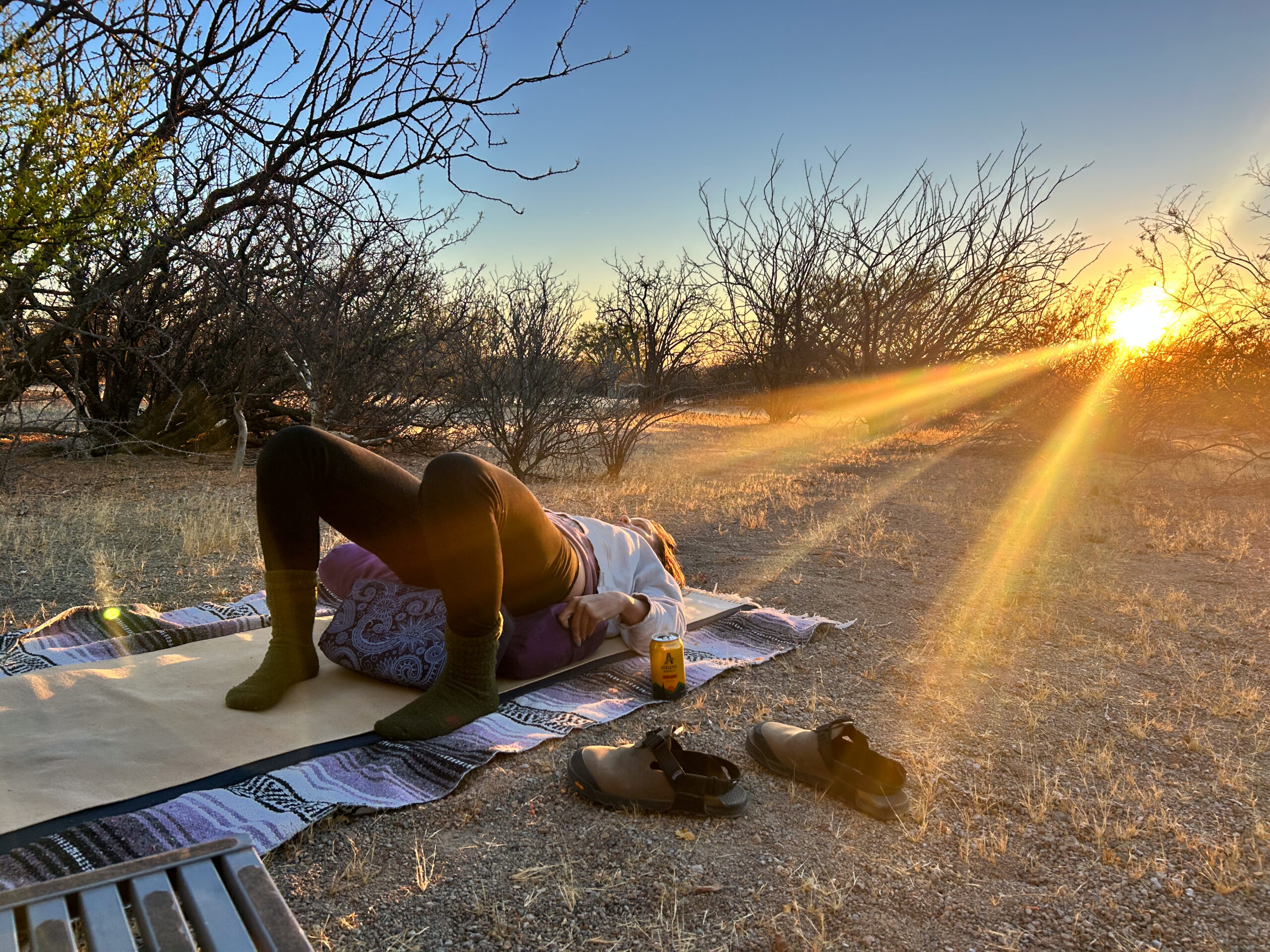
The process has forced me to reconcile who I am beyond what my body can do. Answering that question has required a tremendous amount of introspection, reflection, and support. I’ve built my entire adult life around riding a bicycle, and now the very thing that shaped my identity is the one thing I still cannot do.
The path toward answering that question has been messy and anything but linear, but there have been unexpected gifts and discoveries along the way. What this injury has given me, more than anything, is time: time to slow down, pay attention, and reconnect with parts of myself that exist beyond the bike but had long been overshadowed by movement, a busy schedule, and constant travel.
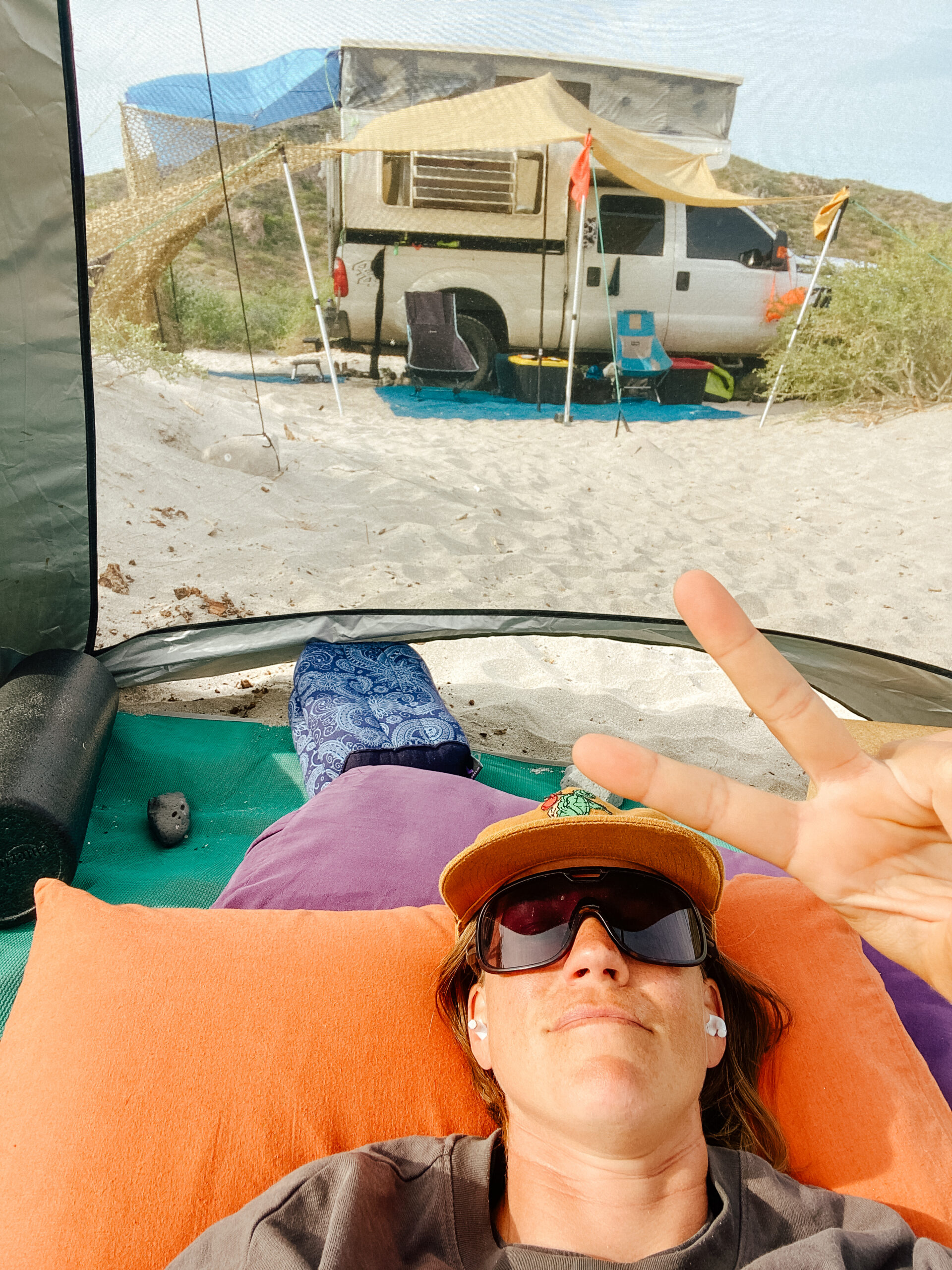
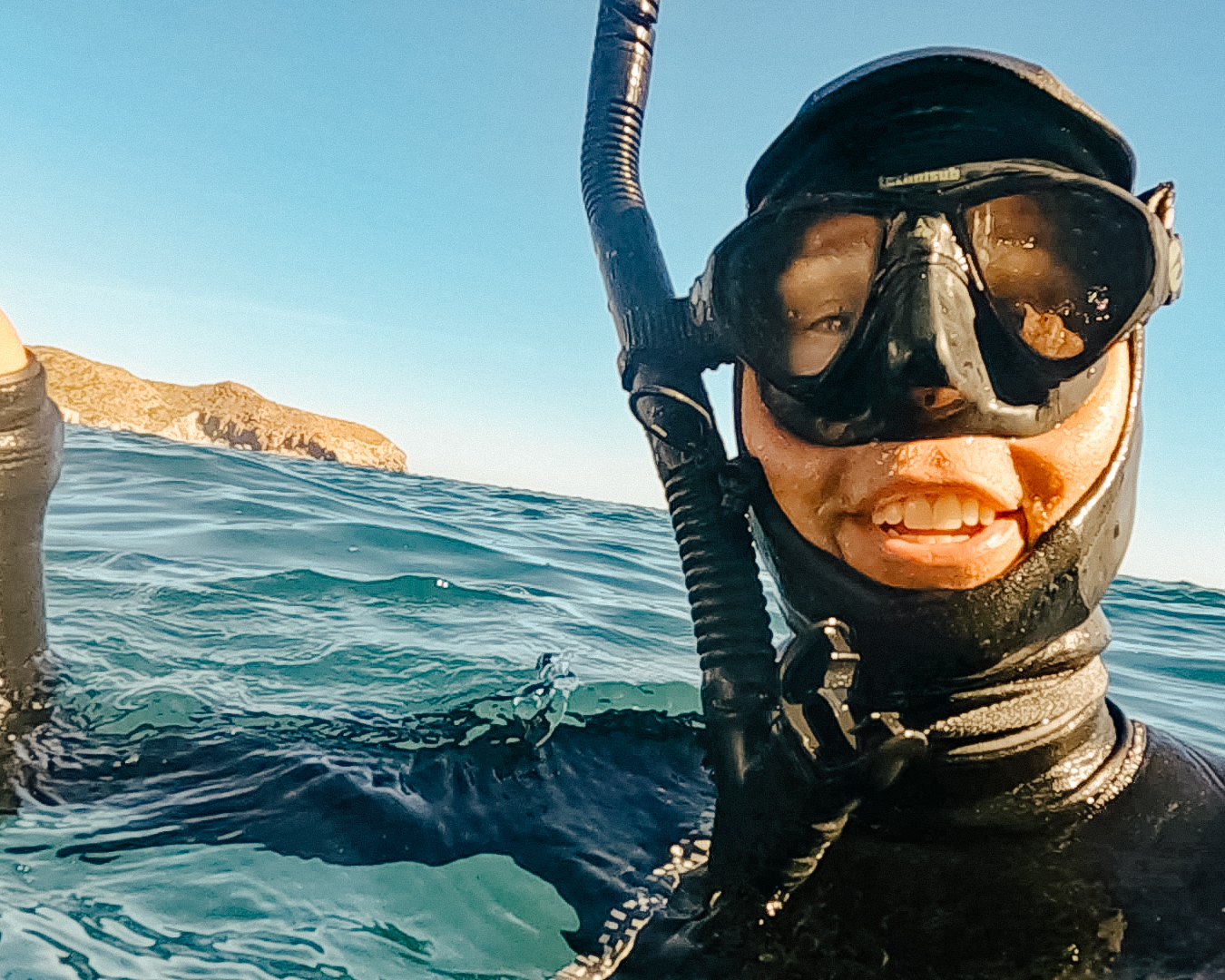
My relationship with water deepened immeasurably. Swimming, snorkeling, and learning to free-dive became both refuge and fascination. During the first two months after my initial injury, I was camped on a remote beach along the Sea of Cortez in Baja California and had the opportunity to snorkel every day. Slowing down and observing revealed a new world. I began noticing and identifying species of sea life I never knew existed. With it came a new sense of awe and curiosity, which I typically experience only when traveling by bicycle.
For the first time in my adult life, I traveled across the globe without my bike to simply spend time with a dear friend, meet her two-year-old daughter, support them in daily life, and help host an event. The trip reminded me that connection does not always need to be earned through an epic bike ride and that showing up is what matters.
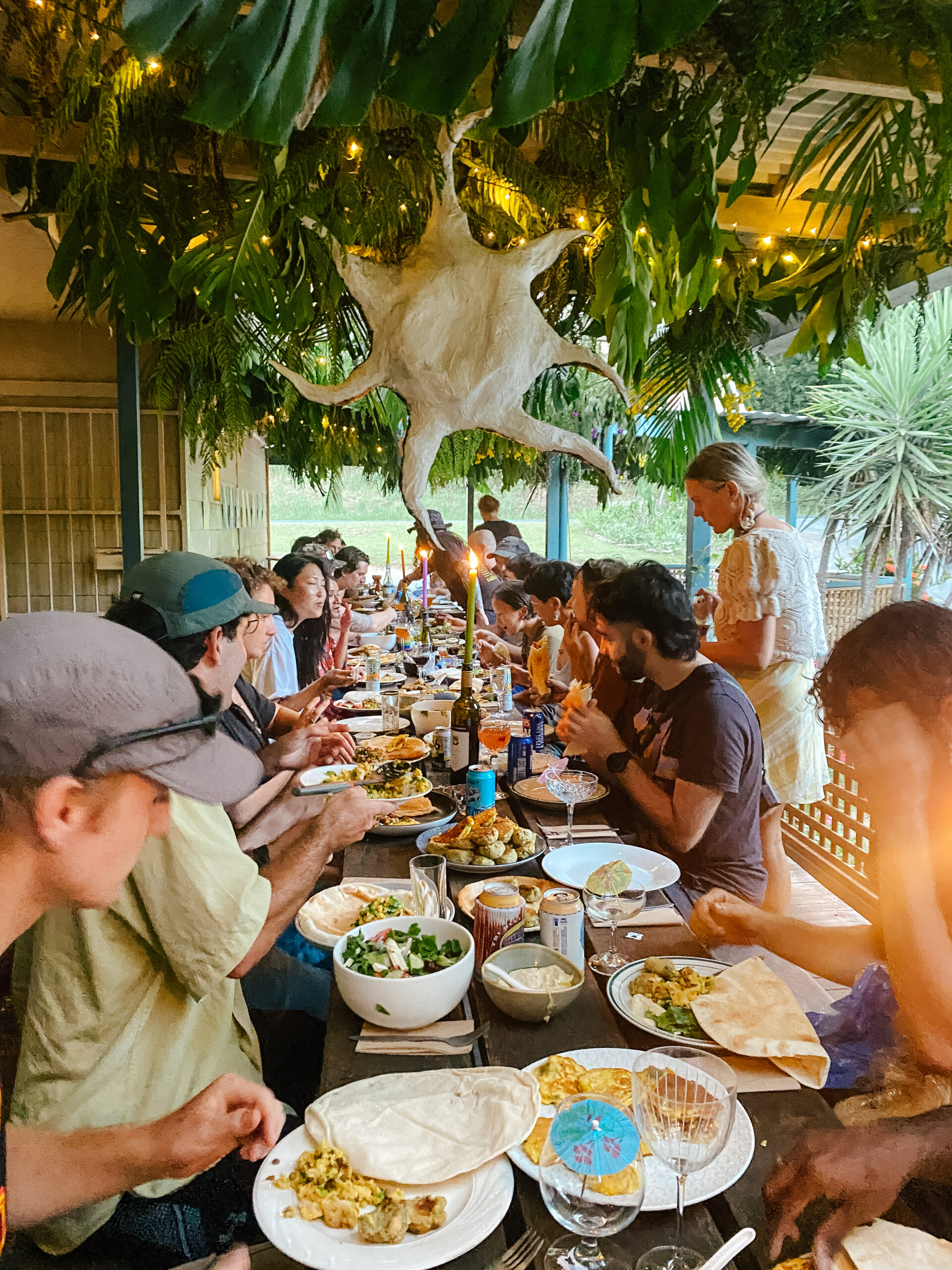
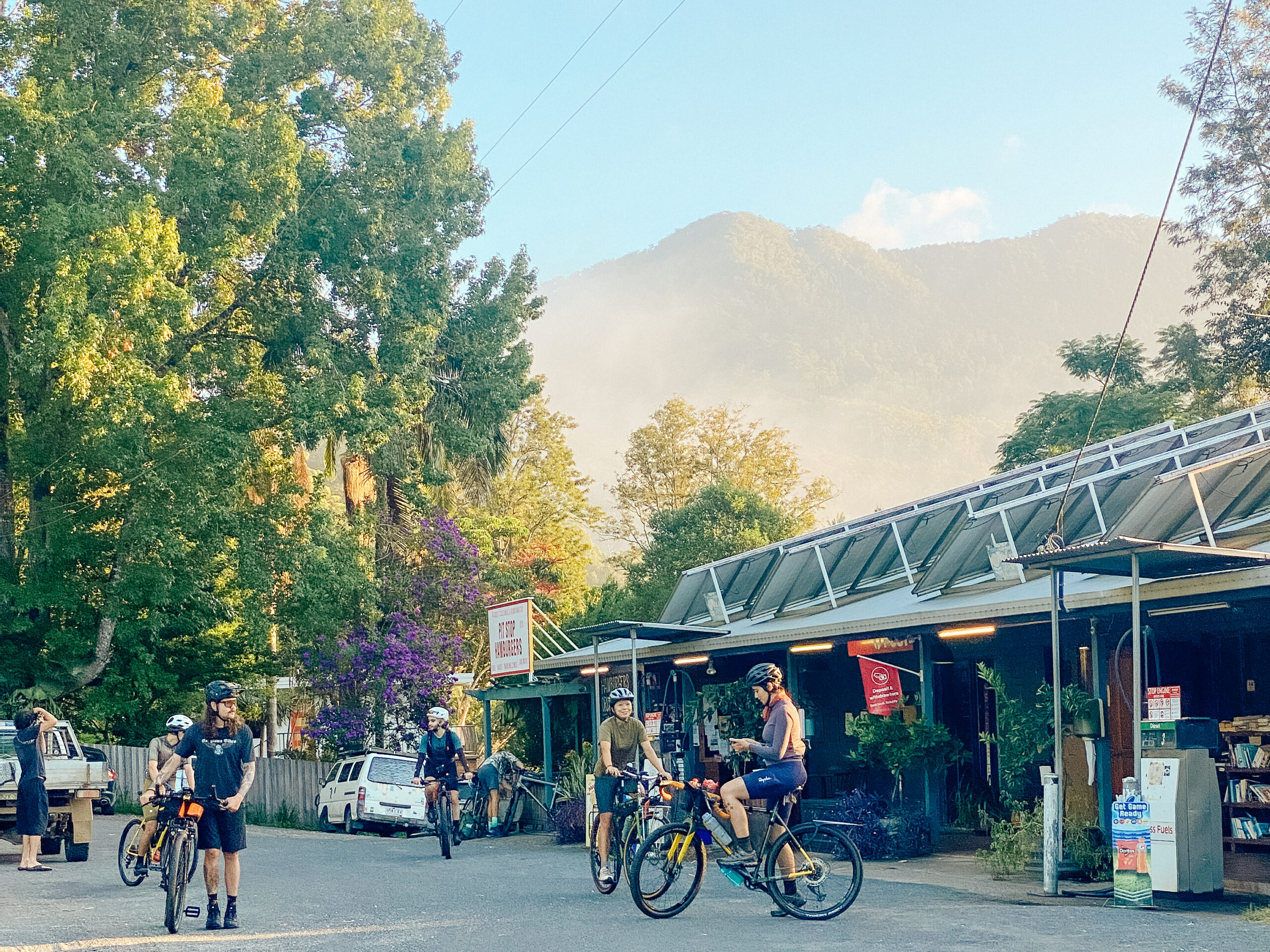
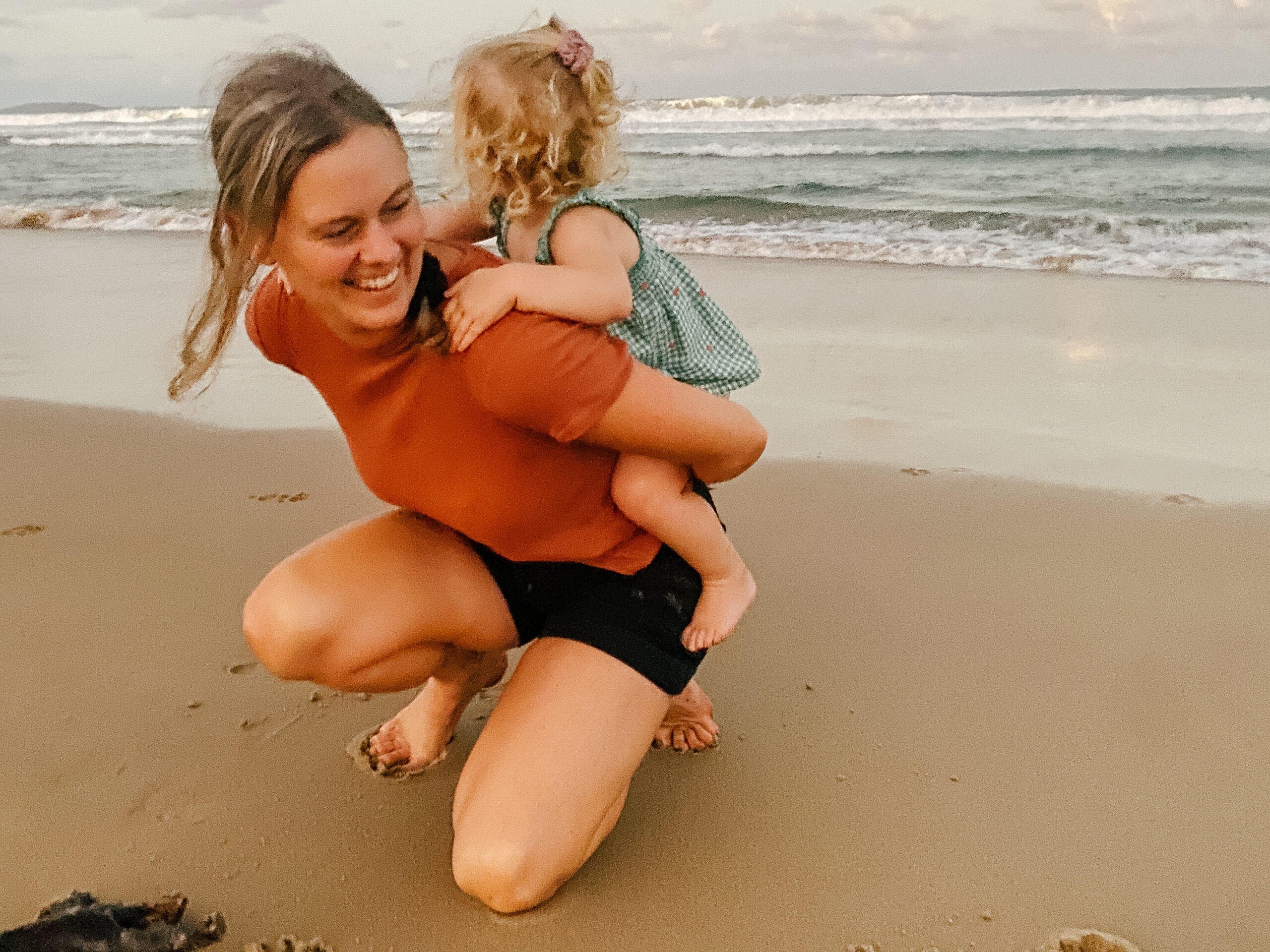
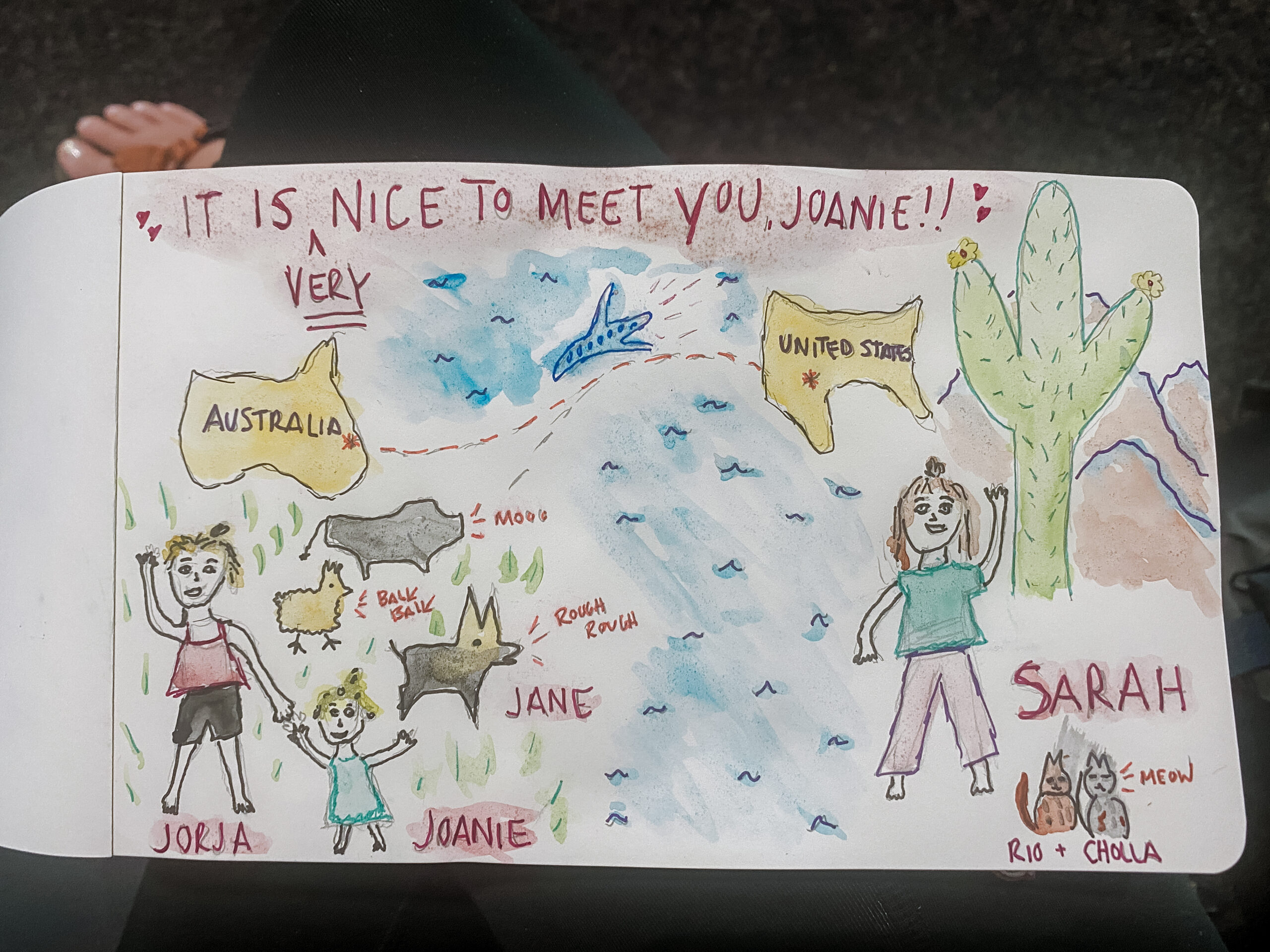
Walking also became its own therapy. Deprived of the intensity and stimulation of long days on the bike, I have begun to appreciate the emotional and physiological grounding that comes from something as simple as a forty-minute walk around the neighborhood. I’ve even signed up for several backpacking trips this year, an activity that’s relatively new for me and an experience I probably never would have made space for otherwise.
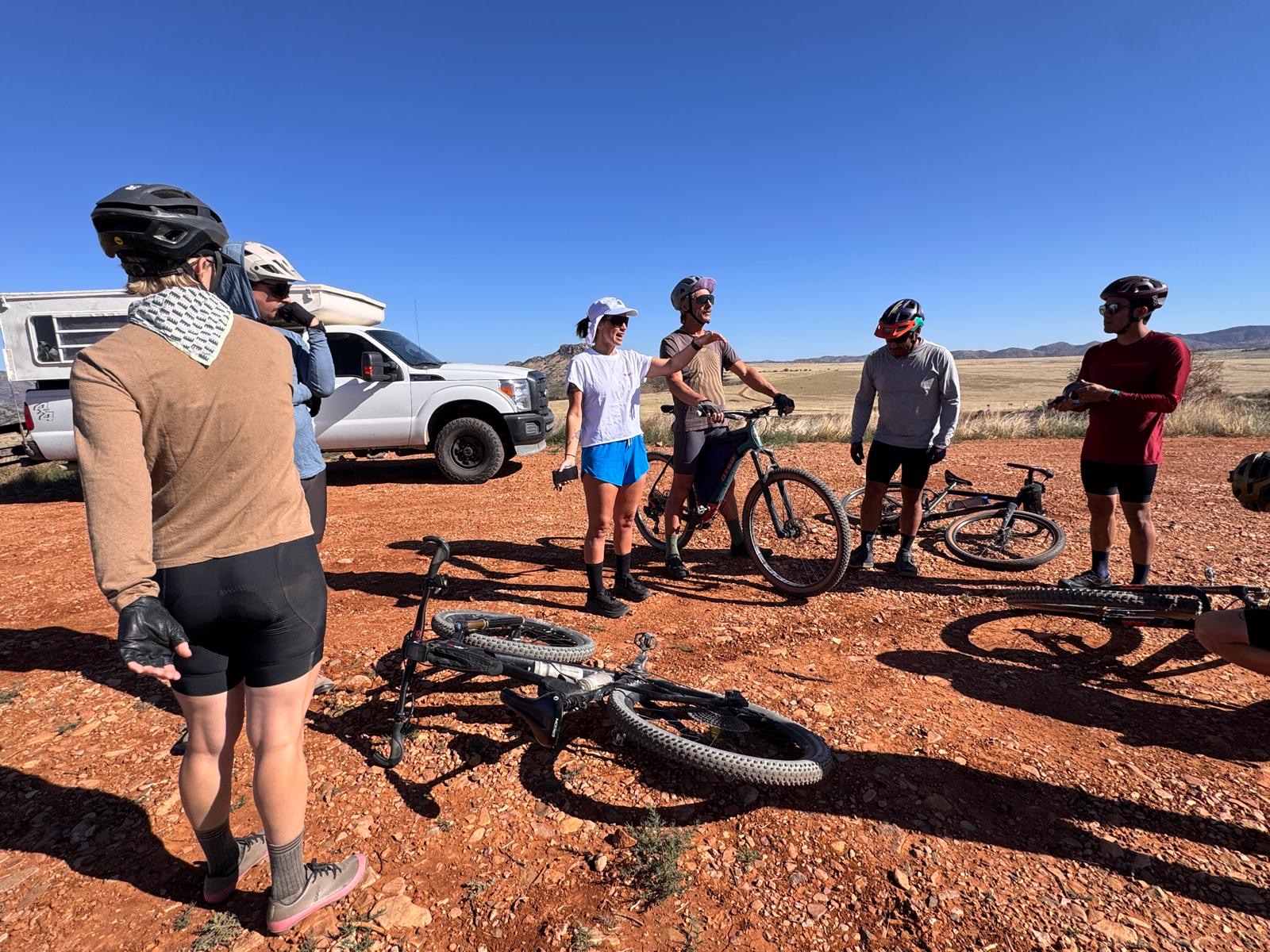
The injury also created space for me to engage with projects and parts of myself that had been put on the back burner because I was always too busy traveling and riding bikes. I committed to planning the fifth edition of Ruta del Jefe, a project that requires so much time, care, and intention that I’ve only ever been able to fully engage with it during periods of stability and reduced travel.
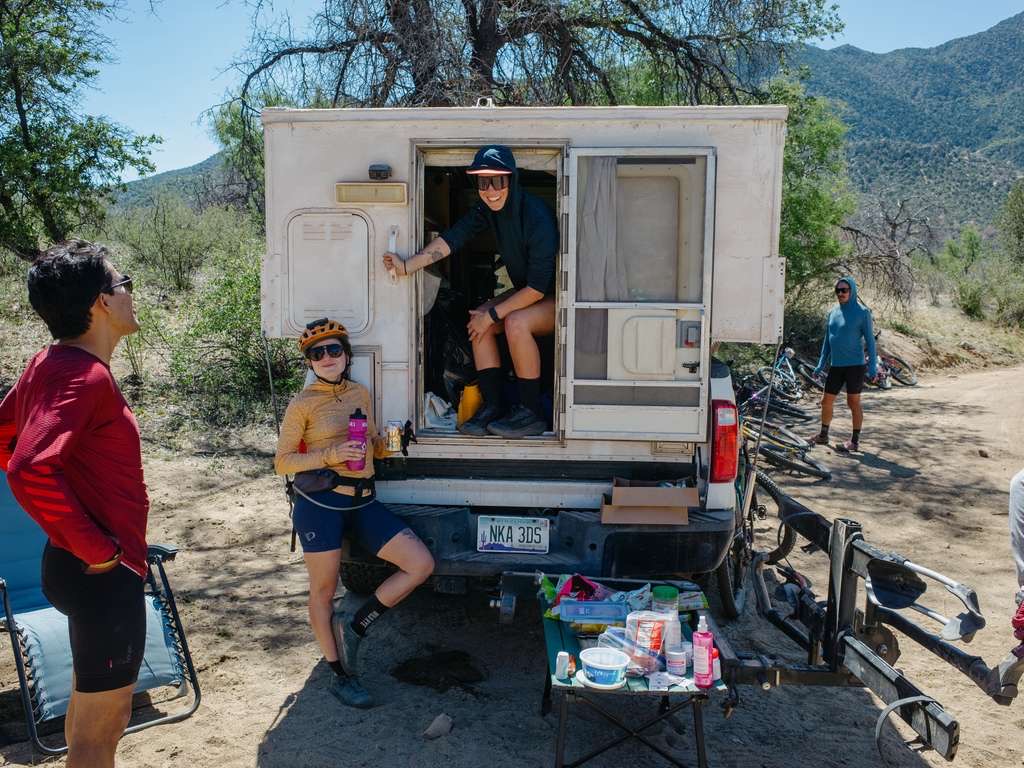
And finally, after years of considering it, I began training to become an ICF-certified life coach through the Co-Active Training Institute. Since beginning the program, I’ve started coaching individuals navigating their own challenges and have found an incredible sense of energy, purpose, and fulfillment through both the learning process and the coaching relationships themselves. In many ways, the work has helped me realize that what has always mattered most to me was never just the bicycle, but the connection, reflection, and transformation that my relationship to movement made possible.
Through coaching, I’ve had the opportunity to work with many athletes navigating chronic pain and injury. What I’ve realized is that my experience is not unique. But I’ve also realized something more uncomfortable: before this happened to me, I rarely noticed, or truly connected with people living with chronic pain or long-term injury. Not because I lacked compassion, but because I couldn’t fully relate. And maybe, on some level, I didn’t want to.
If this could happen to them, it meant it could happen to me too, and that was a reality I wasn’t willing to confront.
Now, I sometimes recognize that same discomfort reflected back at me in conversations with others. What happened to me represents a fear many athletes have: that the body they trust, the identity they’ve built, and the life that gives them meaning could suddenly change. Chronic pain and injury force people to confront vulnerability, limitation, and uncertainty in ways our culture, especially endurance and outdoor culture, doesn’t always know how to hold.
And because of that, navigating chronic pain and injury can become an incredibly lonely place to be.
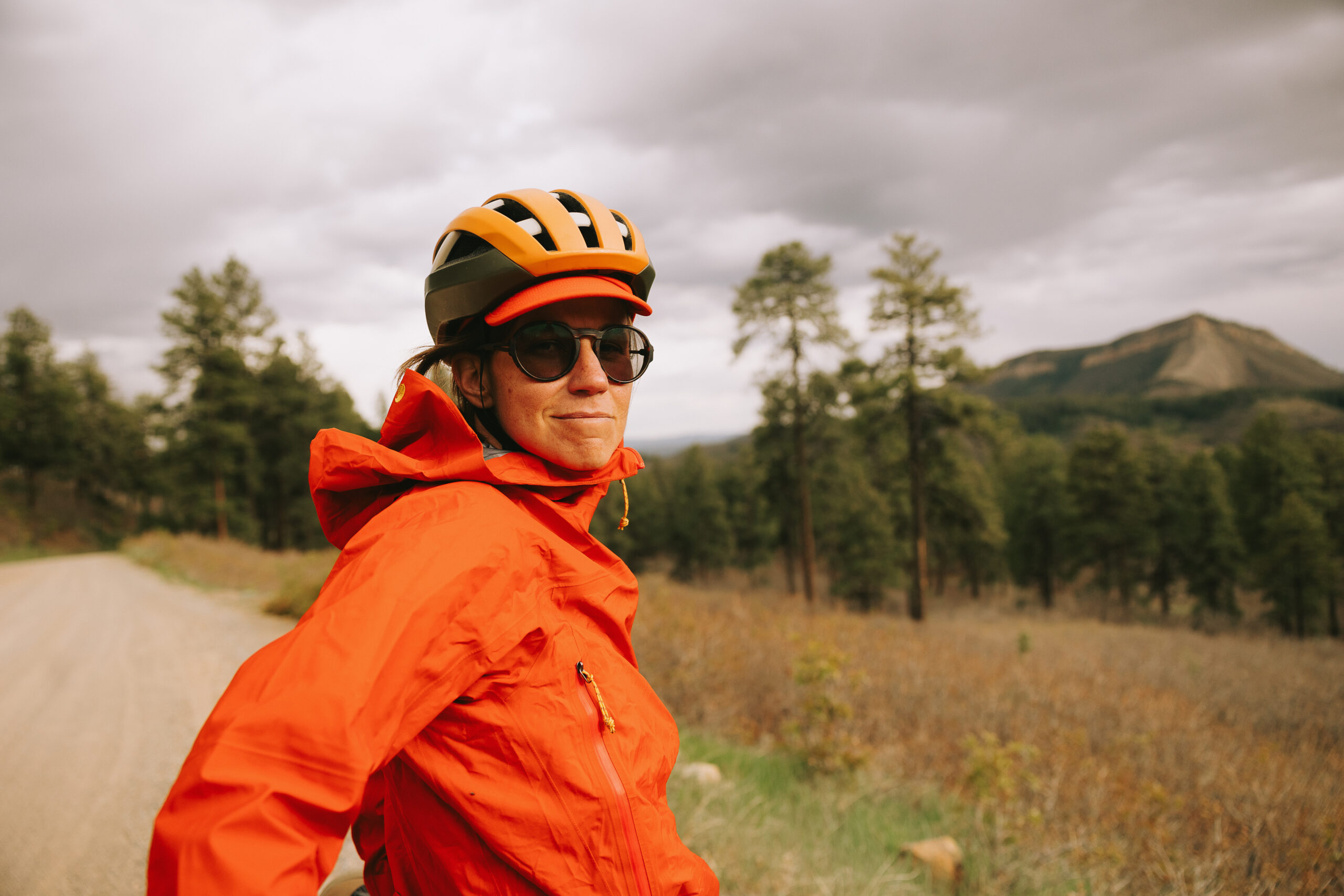
I’m now entering a new phase of this injury: the work is finally starting to pay off. Physical therapy, platelet-rich plasma injections, shockwave and laser therapy, manual therapy, acupuncture, and Rolfing have begun to shift things in a meaningful way. My acute pain has decreased significantly, and I’ve been cleared to try and ride again, just 10 to 20 minutes at a time on flat paved surfaces, followed by three days off to assess how my nerves and discs respond to impact and contact with the saddle.
As I write this, mountain bikers fresh off the trails at the end of my street whoop and holler as they ride by. A part of me aches to be out there with them. But the reality is that recovery requires something different of me right now: patience.
I believe I’ll get back eventually. And when I do, I hope it’s in a way that is not only strong, but sustainable, so I can continue riding my bike not just for the next season or trip, but well into old age. But I also hope to carry forward what this injury has taught me: that I want to feel whole, grounded, and fulfilled beyond the bike, and that my identity, joy, and sense of purpose are expansive enough to hold the many other parts of being human.
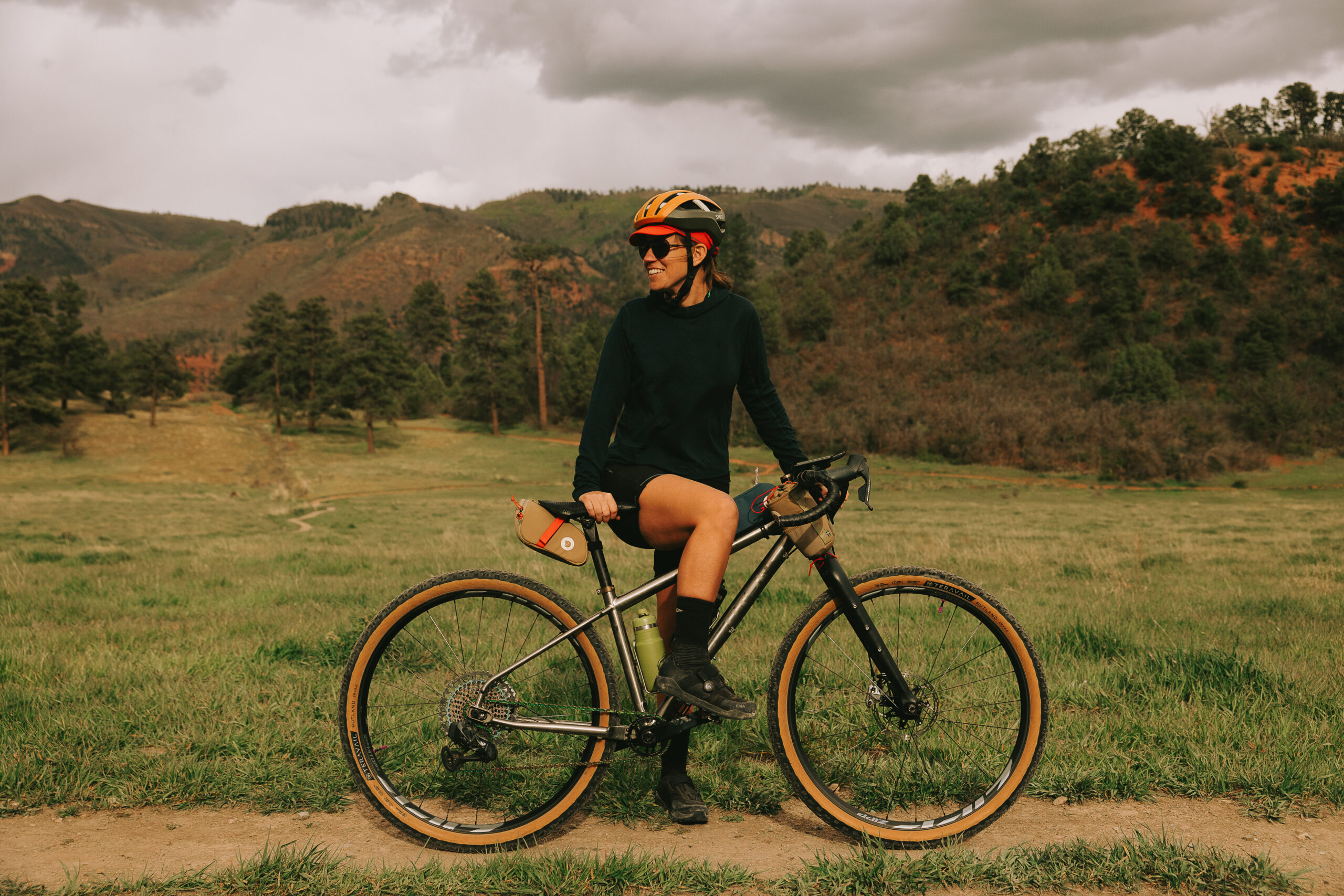
I am so much more than what my body can do on a bicycle, and so are you.
If you are navigating chronic pain or injury, know that you are not alone. Your value, identity, and capacity for connection do not disappear simply because your body has changed. I hope you connect with the other things in your life that bring you joy and meaning. Stay connected to your people, even if that connection looks different for a while. Go get drinks with the cycling group after their ride. Drive sag support for a ride. Volunteer for an event. Be part of the community, even when you can’t participate in the exact same way you once did.
And if you are not currently dealing with injury or illness, let my story serve as a gentle invitation to begin building a relationship with yourself that extends beyond performance and physical ability. Cultivate practices that support your mental health, joy, creativity, community, and sense of purpose outside of riding your bike. Because at some point, through injury, illness, or simply aging, your relationship with your body will change.
The goal is not to avoid grief or struggle when that moment comes. It’s to build a life spacious enough that when it does, you are able to meet it with greater resilience, self-compassion, and adaptability rather than only fear and resistance. And perhaps, through that process, we don’t simply return to where we were before the injury, but emerge stronger, with a deeper sense of bodily wisdom and self-worth than ever before.
If you are dealing with chronic pain, here are a couple of resources that have supported me:
Pain Reprocessing Therapy: https://www.painreprocessingtherapy.com/patient-hub/
The Way Out: A Revolutionary Scientifically Proven Approach to Healing Chronic Pain by Alan Gordon, LCSW, with Alon Ziv
If you are dealing with any kind of back pain or injury, or would like to learn how to prevent back pain or injury, I recommend:
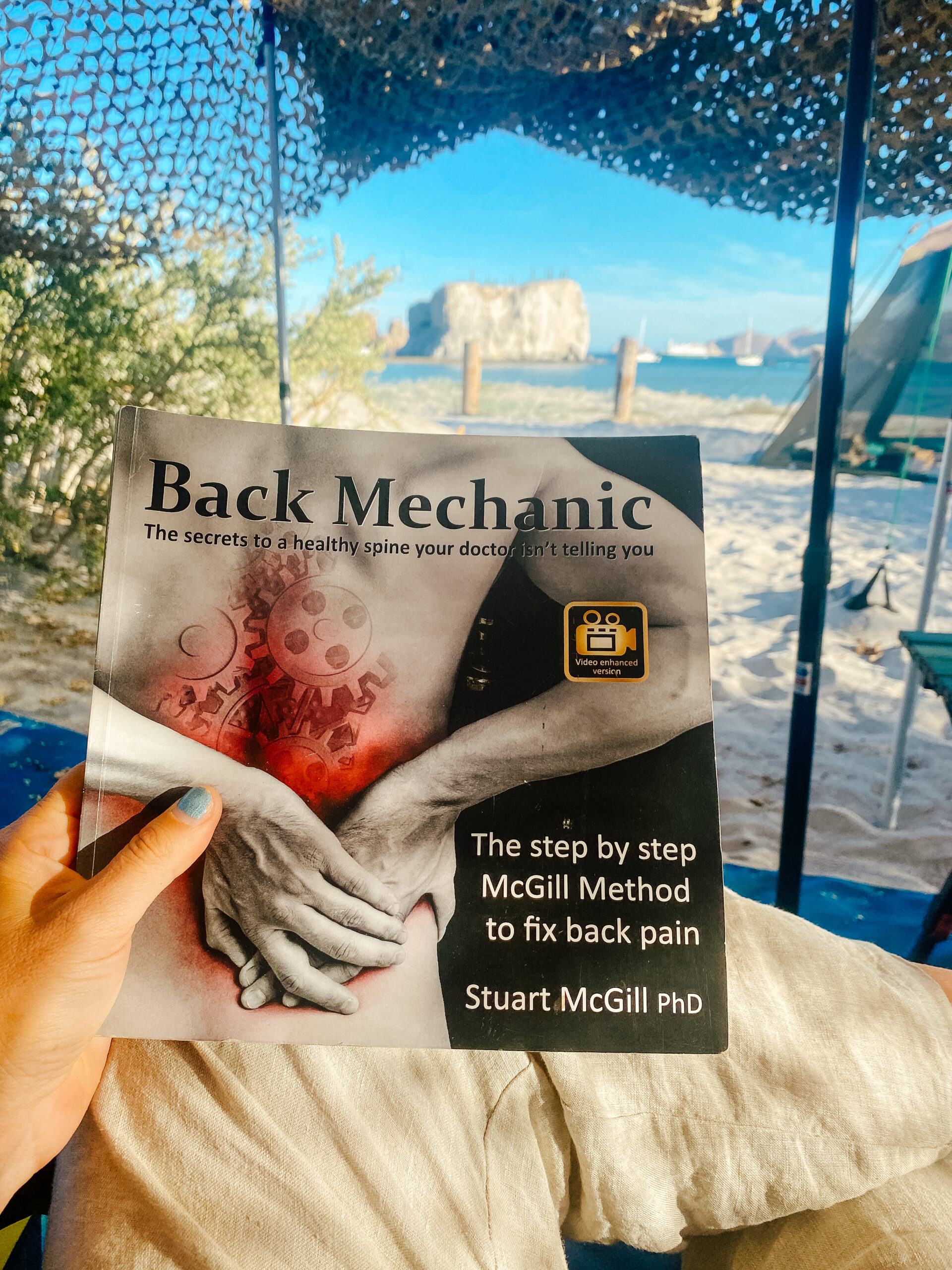
Back Mechanic: The Step-by-Step McGill Method to Fix Back Pain by Stuart McGill, PhDTreat Your Own Back by Robin McKenzie